Binocular Reviews Home > Binocular Guides > Binocular Types
There are two main styles or shapes of binocular and these are determined by what type of prism they use, either a Roof Prism or a Porro Prism design.
I often get asked which is better, but the answer is neither as both have their unique advantages and disadvantages and so it is often down to your specific needs and preferences as to which you should choose.
On this page I will go through these as well as other designs and explain their main features, advantages, shortcomings and what they are best used for:
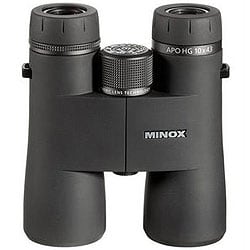 One of the two main styles of binoculars is the Roof Prism (the other being Porro Prism), this refers to the type of prism used in their construction. In this design the prism's are aligned with each other in a straight line, and thus they tend to be sleeker and more compact binoculars than the Porro prism design. You can easily identify a roof prism binocular as the eyepieces and the large objective lenses line up with each other.
Advantages
Disadvantages
The image quality of roof-prism binoculars can suffer slightly because of the aligned prisms, although the top models of the roof-prism and porro-prism binoculars are now generally considered to have equal optical quality. To be really good, roof prism binoculars have to be in the high price range. Do not attempt to economize on roof prism binoculars.
Good For
Ideal general use binoculars that can be used for birdwatching, wildlife viewing and at sporting events.
View all >> Roof Prism Binoculars.
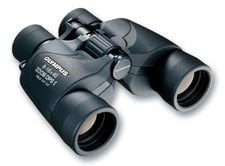 It is easy to identify a Porro Prism binocular because the eyepieces and the objective lenses are offset from each other (objective lens is not in line with the ocular lens), this is because of the design of the prism (porro) used in it's construction.
Advantages
Disadvantages
Good For
Like the roof prism, porro prism binoculars make perfect general use optics ideal for things like birdwatching, wildlife viewing and at sporting events.
View all >> Porro Prism Binoculars.
Within the main types of binoculars (Porro and Roof Prism), binoculars are often built with a more specific use in mind and thus they have certain features that are unique:
 Binoculars for Astronomy
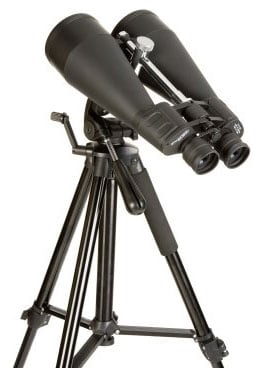
Most people assume that only a telescope enables you to view the stars, but binoculars have their place in astronomy as well and there are binoculars specifically designed for this purpose. They often come under the name of Giant Binoculars and have huge magnifications and objective lenses designed to take in as much light as possible. For the complete guide to choosing binoculars for astronomy take a look at the links below:
>> Celestron Binoculars
>> Celestron SkyMaster Binoculars
 Marine Binoculars
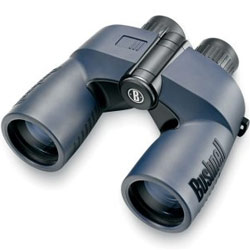
Binoculars that are specifically designed for a watery environment, need to have special qualities, these include being tough and fully waterproof, some float and others come with a compass and are also rangefinder binoculars. Take a look at my guide to the >> Best Marine Binoculars.
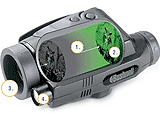 Night Vision Devices
There is a huge range of optical devices designed to help you view objects in the dark, for more information and to discover the difference between night vision glasses and other night vision devices, including binoculars, monoculars and night vision scopes as well as discovering how they work and what features to look out for when deciding which one to buy >> Night Vision Glasses & Devices.